
Genomics information guide
A clear guide to genomic information sources
How sequences are stored, searched and read, and where to find trustworthy genomic data.
- Fresh explanationsWritten for this guide
- Organised by topicA structured guide
- Free to readOpen access for everyone
- General information onlyEducational, not a service
Start here
Explore all topics- Sequences and databasesHow DNA sequences are stored and searched.Read the guide
- Reading a database recordLearn how to interpret a database entry.Read the guide
- Sequence-analysis toolsAn overview of common tools and what they do.Read the guide
- Genomes and annotationFrom raw sequence to biological meaning.Read the guide
- Study and trainingPointers for learning more about genomics.Read the guide
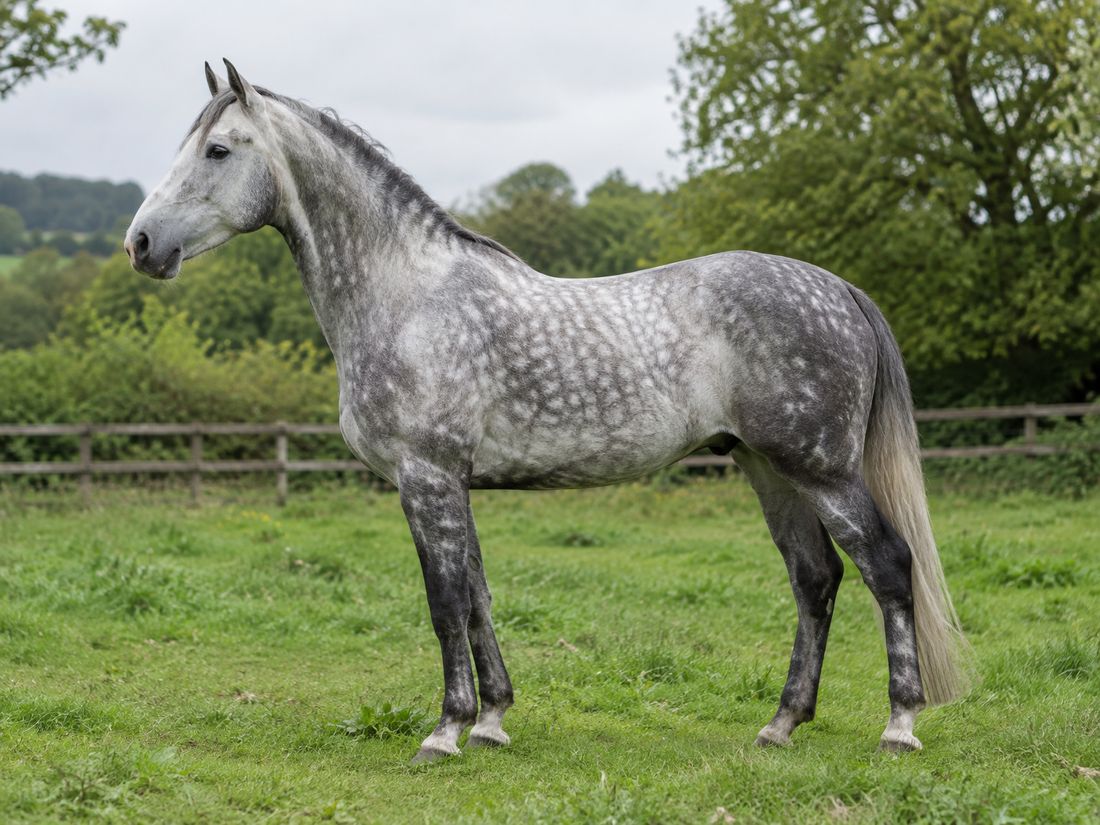
Inherited traits in animals
How a catalogue of inherited traits and diseases in animals is organised: each entry links a trait, a species and, where known, the genetic variant.
- Dogs
- Horses
- Pigs
How to read a database record
A simple four-step approach to understanding what a record tells you.
- Find the identifierLook for the accession or record ID.
- Check the speciesMake sure it is the organism you are interested in.
- Read the evidenceSee what data supports the entry.
- Follow the referencesLook up the original sources for more detail.
Identifier
Species
Description
Evidence
Sequence
References
An illustrative layout, not a real record.
Latest guides
View all guides- What is a genome annotation?How genomic features are identified and described.4 min
- How sequence alignment worksFind similarities and identify differences.4 min
- Understanding gene identifiersCommon ID types and what they mean.3 min
- A first look at public databasesAn introduction to the main genomic resources.3 min
- Inherited coat colours in animalsHow genetic variants influence animal traits.3 min

Start with the basics
Build your understanding of genomic information sources.